Lake Health & Invasive Species

Decontamination & Boat Cleaning

Wisconsin laws require boaters and anglers to take specific actions to prevent the introduction and spread of aquatic invasive species and fish diseases:

  • INSPECT your boat, trailer, and equipment.
  • REMOVE attached aquatic plants or animals before launching and after loading.
  • DRAIN all water from boats, motors, bilges, live wells, and equipment.
  • NEVER MOVE live fish away from a waterbody.
  • DISPOSE of unwanted bait in the trash.
  • BUY minnows from a certified Wisconsin bait dealer.

📄 Download Decontamination Best Management Practices (PDF)

🌐 Learn more about equipment disinfection on the Wisconsin DNR website.
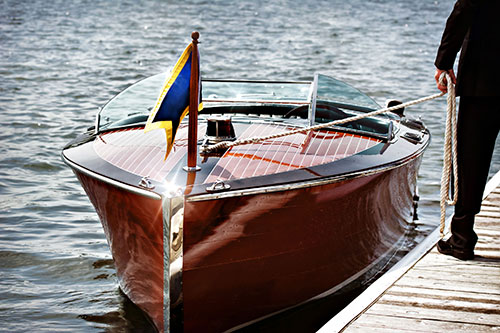
Boater inspecting and cleaning boat hull
Zebra Mussels (Dreissena polymorpha)

Zebra mussels are small, non-native freshwater bivalves native to Eastern Europe. Characterized by dark, zig-zag striped shells, they average about one inch in length.

Zebra mussels filter vast amounts of water (up to a liter per day), depleting microscopic algae that form the base of the food chain for native species. They attach in dense clusters to water intake pipes, docks, and native clam shells, severely impacting ecosystems and infrastructure.

Dense cluster of zebra mussels attached to structure
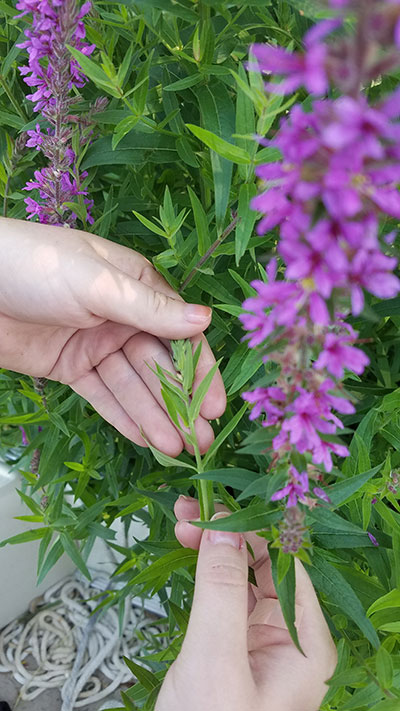
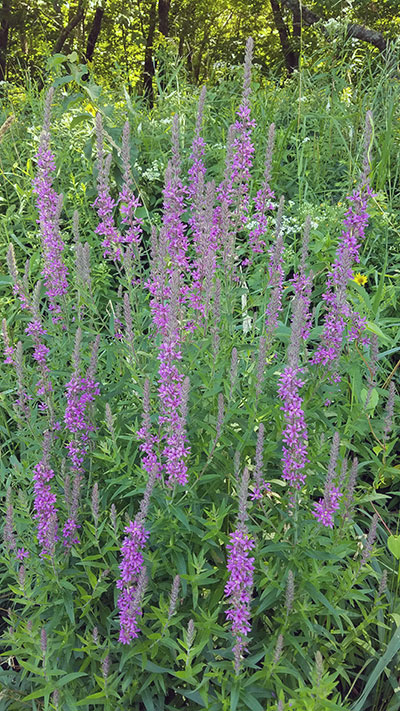
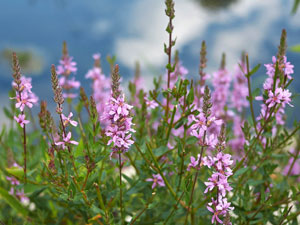
Purple Loosestrife (Lythrum salicaria)

Purple loosestrife is a wetland invader that displaces native vegetation and degrades wildlife habitat. A single mature plant can produce over 2.7 million seeds annually.

Wisconsin law prohibits the sale, distribution, or planting of non-native purple loosestrife. Small infestations can be controlled manually, while larger stands are managed using biological controls like Galerucella beetles provided through the DNR.

Purple loosestrife flower spike Purple loosestrife growing in wetland area
Aquatic & Terrestrial Invasive Plants

Aquatic Invasive Plants: Invasive species like Eurasian watermilfoil disrupt native plant communities and impair recreational boating. 📄 View NR40 Regulated Aquatic Invasive Plants Handout (PDF)

Terrestrial Invasive Plants: Terrestrial weeds threaten shoreline forests and parks. 📄 View NR40 Regulated Terrestrial Invasive Plants Handout (PDF)

Aquatic invasive plant growth Terrestrial invasive plant infestation
Harmful Algal Blooms (Cyanobacteria)

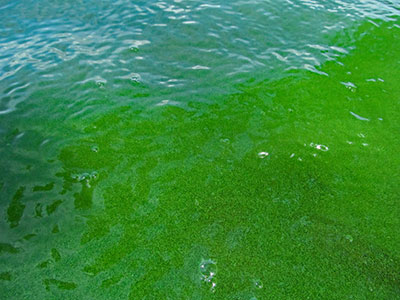
Harmful algal blooms (blue-green algae) occur when excessive nutrients (nitrogen and phosphorus) combine with sunlight and slow-moving water. Certain blooms produce toxins harmful to humans, pets, and wildlife.

Stay out of the water if it:

  • Looks like green pea soup, green paint, or scum
  • Has bright green, blue, brown, or reddish discoloration
  • Emits a strong, unpleasant odor
Harmful blue-green algae bloom on lake surface
Oak Wilt Prevention

Oak wilt is a destructive fungal disease (Ceratocystis fagacearum) affecting oak trees, particularly species in the red oak group. The fungus clogs water-conducting vessels, causing rapid leaf wilting and tree death.

Prevention Rule: Avoid pruning, cutting, or wounding oak trees between April and October to prevent sap-feeding beetles from spreading the fungus. If pruning is required during warm months, immediately seal wounds with tree wound paint.

Starry Stonewort (Nitellopsis obtusa)

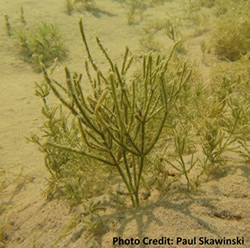
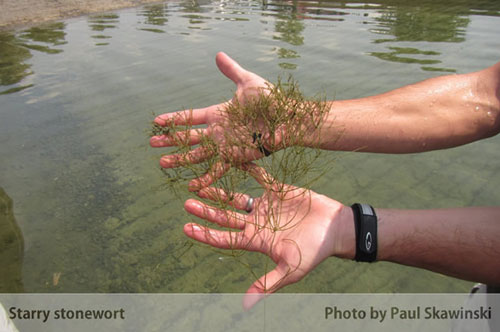
Starry stonewort is a submerged macroalga that forms dense, monotypic mats capable of choking out native vegetation and destroying fish spawning habitat.

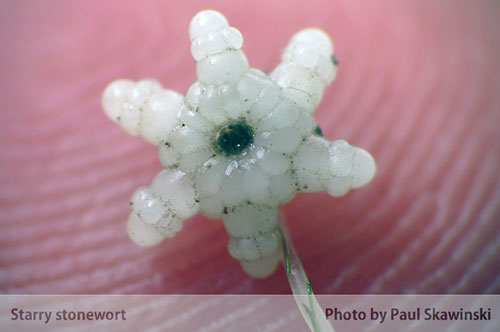
It is identified by distinctive star-shaped white structures called "bulbils" (3–6 mm wide) produced along rhizoids. Clean boats thoroughly to prevent introducing this alga into uninfested waters.

Starry stonewort growth Starry stonewort star-shaped bulbils Starry stonewort branchlet details
Emerald Ash Borer (EAB)

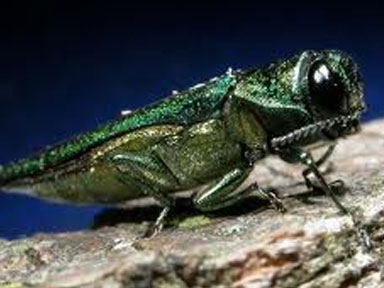
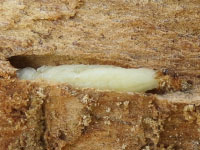
Emerald Ash Borer (Agrilus planipennis) is an invasive wood-boring beetle native to Asia that attacks and kills native ash tree species. Larvae feed under the bark, disrupting water and nutrient transport.

Do not transport firewood across county lines to help slow the spread of EAB to uninfested forest lands.

Adult Emerald Ash Borer beetle Emerald Ash Borer larvae stage under bark